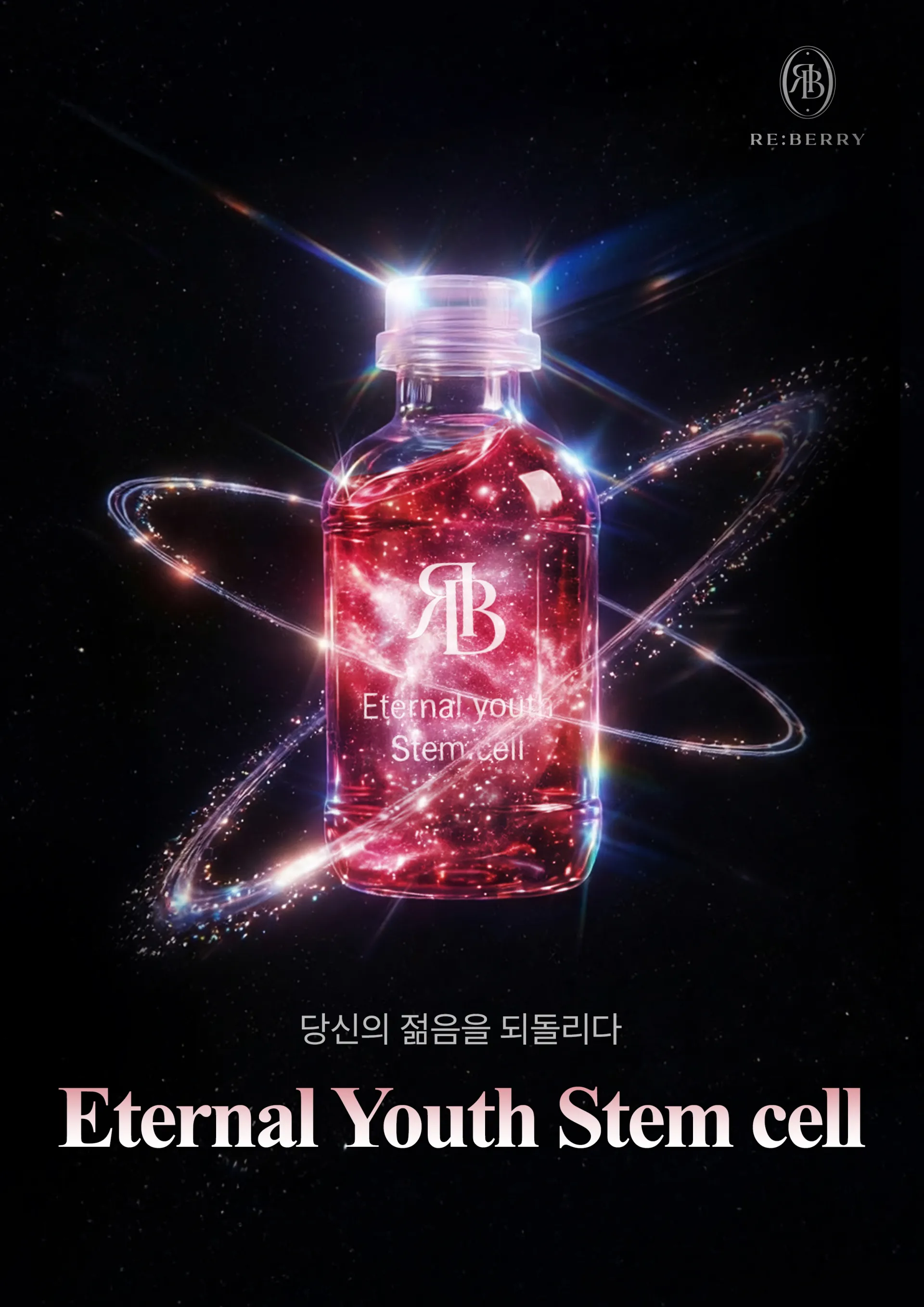
Stem Cell Therapy vs PRP: Mechanism and Outcomes
Both stem cell therapy and PRP use the patient's own blood, but the processing intensity differs substantially. PRP centrifuges blood at 1,500-3,000 RPM for 5-10 minutes, isolating platelets at 3-5 times baseline concentration. Autologous stem cell protocols operate at 3,000-4,000 RPM for 10-15 minutes, extracting additional growth factor layers and combining them with booster ampoules containing concentrated exosomes. This extended processing yields a more potent regenerative product targeting deeper tissue remodeling at the dermal and subdermal layers.
Result Duration and Cost Comparison
PRP delivers visible skin improvement within 2-4 weeks, with effects lasting 6-9 months before a repeat session is needed. A typical PRP session in Korea costs ₩300,000-₩600,000. Stem cell therapy (Ever Youth protocol) shows initial results at 7-14 days, reaching peak outcomes at 3-6 months, with durability of 12-18 months. The entry-level stem cell session costs ₩1,990,000 ($1,531 USD). On a per-month-of-benefit basis, stem cell therapy costs approximately ₩110,000-₩165,000 per month versus PRP at ₩50,000-₩100,000 per month, making PRP more economical for patients seeking basic skin quality improvement.
Stem Cell Therapy vs Exosome Treatments
Exosome treatments represent a newer category of regenerative aesthetics using extracellular vesicles measuring 30-150 nanometers. These vesicles carry signaling molecules that stimulate fibroblast activity and collagen synthesis when applied topically or injected. Unlike autologous blood therapy, exosomes are typically derived from external biological sources rather than the patient's own body. This distinction creates a different risk profile: exosomes carry a slightly higher immunological sensitivity potential, though clinically significant reactions remain rare at under 2% of documented cases.
When Exosomes Are the Better Choice
Exosome treatments work well as maintenance between stem cell sessions or for patients who prefer shorter treatment times. A typical exosome session takes 20-30 minutes versus 60-90 minutes for full autologous blood processing. Results appear within 2-4 weeks and last 3-6 months. Korean clinics often combine Potenza microneedling with exosome delivery for enhanced penetration, with combination packages starting at ₩490,000 at RE:BERRY Gangnam. Exosomes excel for targeted skin texture improvement but lack the deep tissue regeneration capacity of full autologous protocols.
Stem Cell Therapy vs Dermal Fillers
Dermal fillers and stem cell therapy serve fundamentally different purposes despite both being injectable treatments. Fillers provide immediate mechanical volume restoration using hyaluronic acid (Juvederm, Belotero), calcium hydroxylapatite (Radiesse), or poly-L-lactic acid (Sculptra). Results are visible within minutes and last 6-24 months depending on the product. Stem cell therapy produces no immediate visible change but triggers biological regeneration that gradually improves skin quality, thickness, and elasticity over 3-6 months.
Pricing varies substantially: filler injections start at ₩149,000 per syringe (LENA nasolabial 1cc) and range up to ₩990,000 for Radiesse. Sculptra costs ₩590,000 per vial. A comprehensive stem cell protocol at ₩5,290,000 addresses whole-face regeneration, while achieving equivalent volume restoration through fillers alone could require 4-8 syringes at comparable total cost but without regenerative benefit. Many patients combine both approaches, using fillers for immediate structural correction and stem cell therapy for long-term tissue quality improvement.
Head-to-Head Comparison Summary
For maximum regenerative depth and longevity, the 4-kit Eternal Youth stem cell protocol outperforms all alternatives with results persisting beyond 24 months. For cost-conscious patients seeking basic rejuvenation, PRP at ₩300,000-₩600,000 delivers solid 6-9 month results. Exosomes occupy the middle ground as a maintenance tool with 3-6 month efficacy. Fillers remain unmatched for immediate volume correction but contribute nothing to cellular regeneration. The optimal strategy depends on budget, timeline, and whether the primary goal is structural restoration or biological rejuvenation.
Combining Treatments for Optimal Results
Clinical evidence supports combining stem cell therapy with complementary treatments for synergistic outcomes. A protocol pairing autologous blood therapy with Revinas radiofrequency (6,000-12,000 shots) amplifies collagen stimulation by targeting both biological and mechanical pathways simultaneously. Adding exosome infusions between stem cell sessions maintains active regeneration during the 3-6 month collagen remodeling phase. Lee YB et al. J Cosmet Dermatol. 2023;22(4):1178-1186. doi:10.1111/jocd.15574